
Unlocking the Power of Truth: Recognizing Trauma in the Workplace

Greetings, change-makers and visionaries! 🌟 This week, we’re diving deep into a topic that often lurks in the shadows of our professional lives: trauma. Understanding and recognizing trauma within workplace environments is not just a matter of empathy; it’s a crucial step towards fostering a healthier, more productive organizational culture.

Forgiveness and Trauma

The Hidden Impact of Trauma

Trauma isn’t just a personal experience; it seeps into the very fabric of our workplaces, influencing behavior, communication, and overall team dynamics. Whether it’s the weight of past experiences or the cumulative effects of a stressful work environment, unrecognized trauma can lead to disengagement, burnout, and a toxic culture.

By shining a light on trauma, we can begin to unravel its complexities and understand its nuances. This is where tools like the Trauma Awareness Assessment come into play. Designed to identify trauma patterns within leadership and organizational systems, this assessment provides invaluable insights for leaders looking to cultivate a supportive atmosphere. It encourages reflection not only on individual experiences but also on the collective impact of trauma within teams.

Historical Context Mapping: A Holistic Approach
It’s not you, it’s the system!

But understanding trauma goes beyond individual assessments. We must also consider the Historical Context Mapping methodology, which helps us recognize the generational and systemic trauma that influences our workplace dynamics. By mapping out these historical contexts, leaders can identify patterns that may contribute to present-day challenges, illuminating the roots of interpersonal conflicts or communication breakdowns.

This process isn’t just about acknowledging the past; it’s about using that knowledge to inform our present and shape a healthier future. When we understand the historical context of trauma, we empower ourselves to create systems that foster resilience and psychological safety.

The Path to Healing Begins with Acknowledgment

Recognizing trauma is the first step towards healing. It allows us to foster an environment where individuals feel seen, heard, and understood. When trauma is acknowledged, it paves the way for open conversations that lead to genuine connection and trust.

As leaders, it’s essential to model vulnerability and openness, inviting dialogue around difficult topics. By creating spaces where employees can share their experiences without fear of judgment, we cultivate a culture of psychological safety—one where everyone can thrive.

Engaging with Purpose: Your Voice Matters

In the spirit of fostering reflection, I invite you to ponder this week’s engagement question: Do you believe in fate or destiny? Why or why not? Your thoughts on this matter can spark a meaningful discussion about how our beliefs shape our experiences, including our responses to trauma. Share your insights in the comments, and let’s explore the diverse perspectives that enrich our community.


As we journey through this exploration of trauma recognition and understanding, remember that the path to transformation begins with truth. By acknowledging trauma, we lay the foundation for resilience, trust, and ultimately, triumph. Together, let’s embrace this journey and empower ourselves and each other to rise above the challenges we face.

Until next week, stay curious and compassionate! ✨


Join Us

https://www.revdrxeniabarnes.com/event-details/triumphs-on-the-rooftop-a-summer-evening-of-story-strength

The Vital Importance of Diversity, Equity, and Inclusion (DEI) in Today’s Workforce

DEI is Under Attack

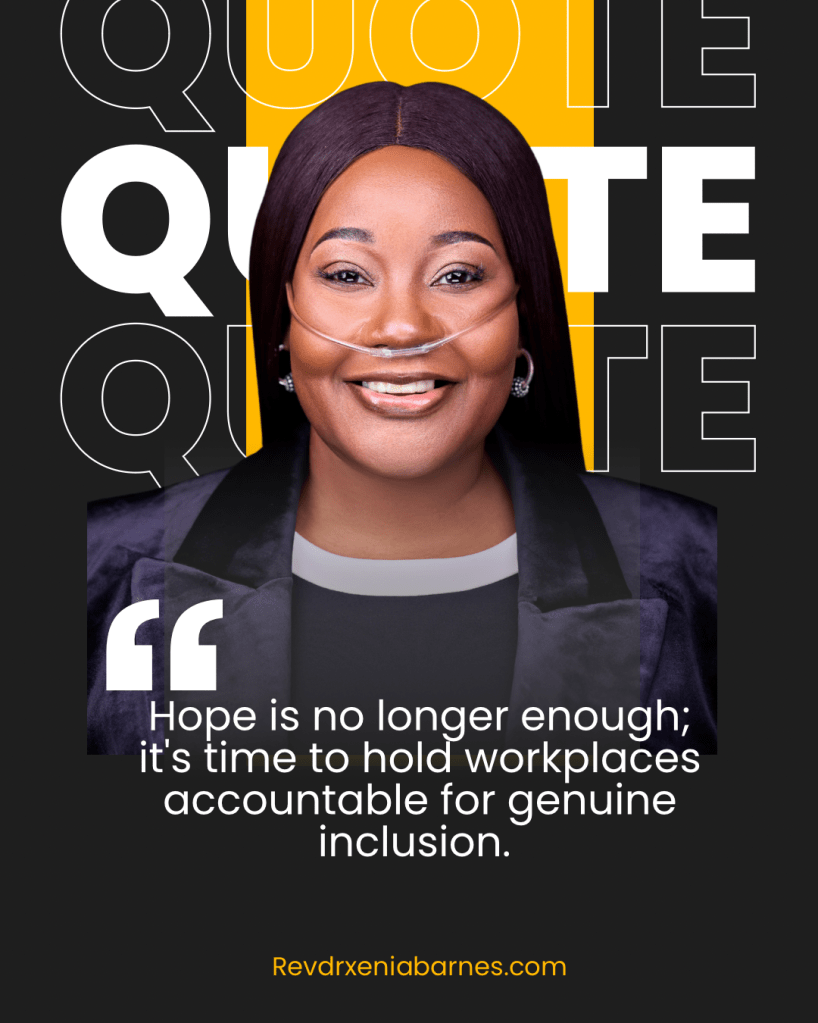
In contemporary conversations about workplace dynamics and organizational culture, Diversity, Equity, and Inclusion (DEI) have become essential pillars for creating an equitable and productive environment. However, recent trends indicate that these foundational principles are under threat. A rollback of DEI programs poses significant risks not only to marginalized communities but also to the moral fabric, efficiency, and overall productivity of organizations.

The Attack on DEI Initiatives

DEI efforts are facing increasing scrutiny and opposition, with various states and institutions implementing policies that undermine or outright dismantle these programs. The rationale behind these decisions often centers on claims of reverse discrimination or the belief that DEI initiatives can lead to unmerited advantages for certain groups. This perspective, however, ignores the systemic inequalities that continue to exist in the workplace.

A report from the McKinsey & Company, “Why Diversity Matters,” highlights a direct correlation between racial and gender diversity in leadership and financial performance, indicating that more diverse organizations outperform their less diverse counterparts by a significant margin. Removing DEI programs not only risks reversing progress made but also impacts the financial viability of organizations.

Impact on Individuals with Disabilities

The rollback of DEI initiatives disproportionately affects individuals with disabilities in the workforce.According to the U.S. Bureau of Labor Statistics, the employment rate for individuals with disabilities was only 19.1% in 2020, compared to 66.3% for individuals without disabilities. DEI programs are designed to foster inclusive practices that recognize and accommodate the unique needs of these individuals, helping them gain access to opportunities and develop their careers.

Without explicit DEI programs, employers may lack the vision and tools necessary to create an accessible environment. This reliance on personal initiative and informal practices often leaves individuals with disabilities marginalized and unsupported. A study published in the Journal of Vocational Rehabilitation indicates that workplace accommodations significantly improve job retention rates for employees with disabilities, suggesting that DEI programs are fundamental for fostering equitable workplaces.

Effects on Women and People of Color

The rollback of DEI is also detrimental to women and people of color. Research by the American Psychological Association shows that companies with effective DEI practices have higher employee satisfaction, lower turnover rates, and enhanced company culture. Inversely, a decline in DEI efforts correlates with an increase in workplace discrimination, harassment, and inequity.

Women, particularly women of color, often face unique challenges in the workforce, and DEI programs play a significant role in addressing these barriers. The 2020 Women in the Workplace report by McKinsey revealed that for every 100 women promoted to manager, 130 men were promoted. Undermining DEI initiatives will only exacerbate these disparities, leading to fewer opportunities for advancement and gender parity.

Broader Implications: Morale, Efficiency, and Productivity

Beyond the direct impact on marginalized groups, the removal of DEI programs poses broader implications for organizational effectiveness. A study in the Harvard Business Review found that diverse teams are more innovative, producing 19% more revenue than their counterparts. This is attributed to the richer array of perspectives that diverse teams can draw upon, leading to more creative solutions to business problems.

Conversely, the absence of DEI reduces morale within the workforce. Employees who feel excluded or undervalued are less likely to invest themselves in their roles, leading to decreased efficiency. According to a survey by Deloitte, organizations with inclusive cultures are six times more likely to be innovative and agile. The loss of DEI programs therefore not only lessens the quality of the work environment but can also stifle growth and reduce the bottom line.

Protecting and Advancing DEI Initiatives

In light of these challenges, it is critical for organizations to reaffirm their commitment to DEI. Here are several steps that can be taken to protect and advance these initiatives:

  1. Leadership Commitment: Leaders must vocally support DEI initiatives and demonstrate accountability in their implementation.
  2. Data-Driven Decisions: Organizations should collect and analyze data on workforce demographics and the effectiveness of DEI programs to ensure informed decisions.
  3. Regular Training: Continuous education and training on diversity, equity, and inclusion should be mandated for all employees, emphasizing empathy, understanding, and respect for differences.
  4. Collaboration with Advocacy Groups: Engaging with external organizations that specialize in DEI can provide valuable insights and resources to enhance programs.
  5. Creating Inclusive Cultures: Companies should prioritize creating inclusive environments where every employee feels valued and empowered to contribute.

Conclusion

The importance of Diversity, Equity, and Inclusion in the workforce cannot be overstated. As DEI initiatives face challenges and potential rollbacks, it is crucial to recognize the profound impact these programs have on individuals with disabilities, women, people of color, and the overall effectiveness of organizations. By taking concrete steps to protect and bolster DEI efforts, we not only promote equity but also contribute to a more innovative, productive, and harmonious workplace. The future of our workforce relies on our commitment to these fundamental values.

References

  1. McKinsey & Company. (2020). Why Diversity Matters.
  2. U.S. Bureau of Labor Statistics. (2021). Labor Force Characteristics of People with Disabilities.
  3. American Psychological Association. (2021). Diversity and Inclusion in the Workplace.
  4. Journal of Vocational Rehabilitation. (2020). Impact of Accommodations on Job Retention.
  5. Deloitte. (2020). Diversity and Inclusion in the Workplace: A Global Perspective.
  6. Harvard Business Review. (2018). How Diversity Affects Team Outcomes.

By ensuring that DEI remains a priority, we can cultivate workplaces that not only value diversity but also harness its potential for collective success.

Purchase the Book

Navigating Unprecedented Times: A Call for Kindness, Awareness, and Collective Growth

Even in the trenches the is room for triumphs.

As we stand on the precipice of an era marked by unprecedented challenges, it is essential to acknowledge the unique landscape we find ourselves in today. From socio-political shifts to evolving workplace dynamics, our world is changing rapidly, and with it, our understanding of how to thrive as a community. The ongoing discussions surrounding laws and policies that impact our daily lives serve as a reminder of our responsibility to stay informed and engaged. As engaged citizens, it is our duty to understand how these changes can shape our collective future.

In this time of uncertainty, we must prioritize kindness and respect in our interactions with others. The world may seem tumultuous, but it is through empathy and understanding that we can build bridges instead of walls. Whether it’s in our personal lives or professional spaces, a culture of compassion can create an environment where everyone feels valued and heard.

For leaders navigating these uncertain waters, improving workplace culture is paramount. Here are a few strategies to consider in order to foster psychological safety, especially concerning the removal of Diversity, Equity, and Inclusion (DEI) programs and hires:

  1. Open Communication: Encourage a culture of transparency where employees can voice their concerns without fear of retaliation. Regular check-ins and feedback sessions can provide a platform for staff to express their feelings and anxieties.
  2. Education and Awareness: Offer training sessions that focus on the importance of DEI initiatives, even in challenging times. This education can help staff understand the value of diverse perspectives and experiences in fostering innovation and growth.
  3. Mentorship Programs: Establish mentorship opportunities that connect employees with leaders in the organization. This can help create a sense of belonging and support, particularly for those who may feel marginalized or overlooked.
  4. Recognition of Efforts: Acknowledge the hard work and resilience of staff during these times. Celebrating small wins can go a long way in boosting morale and reinforcing a positive workplace culture.

Meanwhile, employees can also play a crucial role in supporting the mental well-being of their coworkers. Here are some actionable steps:

  1. Check-In Regularly: Make it a habit to reach out to colleagues to see how they are doing. A simple message or a coffee catch-up can provide much-needed support.
  2. Be an Active Listener: Sometimes, the best thing you can do is listen. Allow your coworkers to share their feelings and validate their experiences without judgment.
  3. Encourage Breaks: Promote the importance of taking breaks and practicing self-care. Whether it’s a walk outside or a short meditation session, remind your colleagues that their mental health is a priority.
  4. Share Resources: If you come across helpful articles, podcasts, or workshops focused on mental well-being, share them with your team. Building a resource pool can empower everyone to take charge of their mental health.

Throughout this journey, it’s vital to remember that even amidst uncertainty, there are triumphs to be found. As we navigate these challenging spaces together, we can emerge stronger and more resilient. For those seeking inspiration and guidance on overcoming systemic barriers and thriving in the face of adversity, I encourage you to pre-order the book Triumph in the Trench Volume 2. This compilation of stories and strategies serves as a powerful reminder that, in our darkest hours, we can find light and triumph.

Together, let’s cultivate a future built on understanding, resilience, and unwavering support for one another.

Dr. Xenia Barnes

https://buy.stripe.com/aEUbKQb6C7ChcYU001

First Look Readers Program

Hope your new year is off to a great start.

The Green Book for Black Professionals

Next month, we’re releasing Triumph in the Trenches: The Green Book for Black Professionals, Volume 2, an anthology where the authors share frameworks for navigating toxic workplaces. Volume 1 was a top-selling title on IngramSpark last year!

Would you like to join our First Look Readers program? 

As a First Look Reader, you’ll get early access to the manuscript before its release and have the opportunity to provide a review; we’d also request that you share your review on social media as well. Also, your feedback could be featured in the book and across our marketing channels!

Let us know if you’re interested—we’d love to hear your insights.

Join our email list to subscribe: http://www.goldmindthoughts.com

Thank you,

Coach Rev. Dr. Barnes

Me in meanings…….

Write about your first name: its meaning, significance, etymology, etc. Shruti: Meaning, Significance, and EtymologyMeaning:

Me in meanings…….

I will kick us off.

My first name Xenia!

The name Xenia (pronounced ZEEN-yah or KSEN-yah) has fascinating Greek origins and rich cultural significance. It comes from the Greek word “ξενία” (xenia), which refers to the ancient Greek concept of hospitality and the sacred obligation to be generous and courteous to strangers and travelers.

In ancient Greek culture, xenia was not just hospitality in the modern sense, but a complex social and religious custom that created a reciprocal relationship between host and guest. Zeus himself was sometimes referred to as “Zeus Xenios” – Zeus in his role as protector of travelers and enforcer of hospitality rights.

The term comes from “xenos” (ξένος), which originally meant both “stranger” and “guest” in ancient Greek, highlighting how these concepts were intertwined in Greek thought. Over time, the word evolved to also mean “foreigner” or “one who is foreign.”

As a personal name, Xenia gained particular popularity in Eastern European countries, especially Russia (Ксения), where it has been used since medieval times. It became a common name among early Christian saints, including Saint Xenia of Saint Petersburg, an 18th-century Russian saint known for her dedication to helping the poor.

The name has several variations across cultures:

  • Russian: Ксения (Kseniya)
  • Ukrainian: Ксенія (Kseniya)
  • Polish: Ksenia
  • Czech/Slovak: Xénie
  • Latin: Xenia

Interestingly, in botany, “xenia” also refers to the immediate effect of foreign pollen on seeds and fruit – a scientific meaning that emerged much later but shares the core concept of “foreign influence.”

Today, the name Xenia carries connotations of generosity, hospitality, and kindness to strangers – qualities that were highly valued in ancient Greek society and remain relevant today.

The Hidden Signs of Stress: 14 Ways stress presents itself within the body! By Coach Barnes

Let today’s lesson be tomorrow’s blessing!

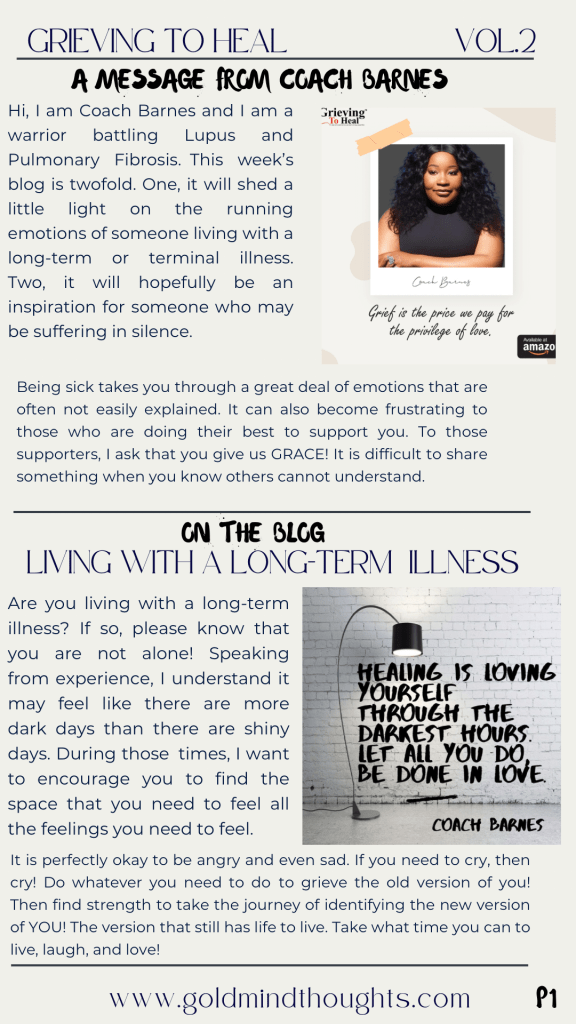
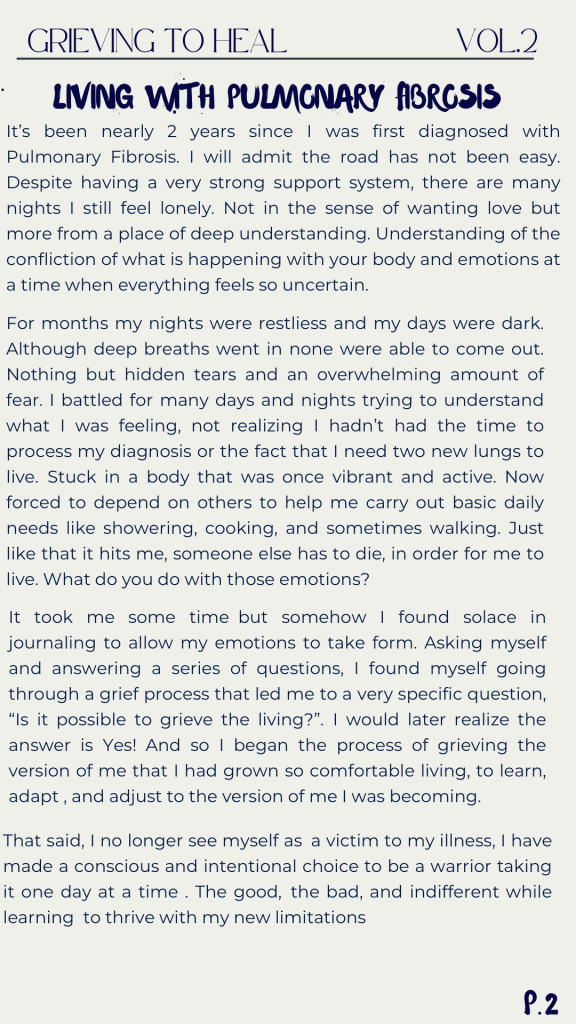
Have you often found yourself feeling down or sluggish but not sure why? Or maybe you have been experiencing more frequent headaches than usual. Stress can affect your body and mind in multiple ways. When we fail to identify or release that stress, it often finds away to manifest within our bodies to send signals to the brain that there is some form of imbalance occurring throughout our body.

Chronic stress can have hidden signs, but you can learn to recognize them. If you find that you’re suffering from physical ailments that have no obvious physical cause, then stress might be the culprit.

Be aware of common signs of too much stress and take action to make stress-reduction techniques a daily habit. Engaging in healthy habits such as meditation is a great way to immediately reduce stress.

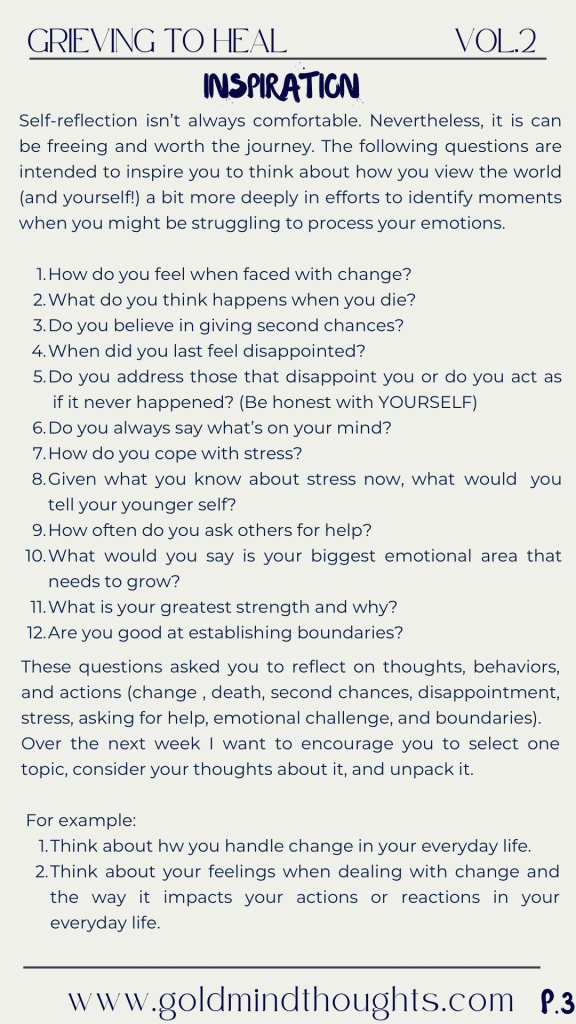
Below is list of 14 ways stress presents itself within the body.

  1. Acne
  2. Strange or vivid dreams
  3. Sore jaws from grinding teeth during sleep
  4. Stomach aches
  5. Muscle spasms or back pain
  6. New or worsened allergies 
  7. Itching
  8. Frequent colds-weakened immune system 
  9. Tension leading to sore muscles or joint pain
  10. Nevous habits
  11. Food carvings
  12. Sleep walking
  13. Sweating
  14. Migraines

For helpful tips on how to reduce stress in the body go to www.goldmindthoughts.com and subscribe to The Recondition Community.