
DEI is Under Attack
In contemporary conversations about workplace dynamics and organizational culture, Diversity, Equity, and Inclusion (DEI) have become essential pillars for creating an equitable and productive environment. However, recent trends indicate that these foundational principles are under threat. A rollback of DEI programs poses significant risks not only to marginalized communities but also to the moral fabric, efficiency, and overall productivity of organizations.

The Attack on DEI Initiatives
DEI efforts are facing increasing scrutiny and opposition, with various states and institutions implementing policies that undermine or outright dismantle these programs. The rationale behind these decisions often centers on claims of reverse discrimination or the belief that DEI initiatives can lead to unmerited advantages for certain groups. This perspective, however, ignores the systemic inequalities that continue to exist in the workplace.
A report from the McKinsey & Company, “Why Diversity Matters,” highlights a direct correlation between racial and gender diversity in leadership and financial performance, indicating that more diverse organizations outperform their less diverse counterparts by a significant margin. Removing DEI programs not only risks reversing progress made but also impacts the financial viability of organizations.
Impact on Individuals with Disabilities
The rollback of DEI initiatives disproportionately affects individuals with disabilities in the workforce.According to the U.S. Bureau of Labor Statistics, the employment rate for individuals with disabilities was only 19.1% in 2020, compared to 66.3% for individuals without disabilities. DEI programs are designed to foster inclusive practices that recognize and accommodate the unique needs of these individuals, helping them gain access to opportunities and develop their careers.
Without explicit DEI programs, employers may lack the vision and tools necessary to create an accessible environment. This reliance on personal initiative and informal practices often leaves individuals with disabilities marginalized and unsupported. A study published in the Journal of Vocational Rehabilitation indicates that workplace accommodations significantly improve job retention rates for employees with disabilities, suggesting that DEI programs are fundamental for fostering equitable workplaces.

Effects on Women and People of Color
The rollback of DEI is also detrimental to women and people of color. Research by the American Psychological Association shows that companies with effective DEI practices have higher employee satisfaction, lower turnover rates, and enhanced company culture. Inversely, a decline in DEI efforts correlates with an increase in workplace discrimination, harassment, and inequity.
Women, particularly women of color, often face unique challenges in the workforce, and DEI programs play a significant role in addressing these barriers. The 2020 Women in the Workplace report by McKinsey revealed that for every 100 women promoted to manager, 130 men were promoted. Undermining DEI initiatives will only exacerbate these disparities, leading to fewer opportunities for advancement and gender parity.
Broader Implications: Morale, Efficiency, and Productivity
Beyond the direct impact on marginalized groups, the removal of DEI programs poses broader implications for organizational effectiveness. A study in the Harvard Business Review found that diverse teams are more innovative, producing 19% more revenue than their counterparts. This is attributed to the richer array of perspectives that diverse teams can draw upon, leading to more creative solutions to business problems.
Conversely, the absence of DEI reduces morale within the workforce. Employees who feel excluded or undervalued are less likely to invest themselves in their roles, leading to decreased efficiency. According to a survey by Deloitte, organizations with inclusive cultures are six times more likely to be innovative and agile. The loss of DEI programs therefore not only lessens the quality of the work environment but can also stifle growth and reduce the bottom line.
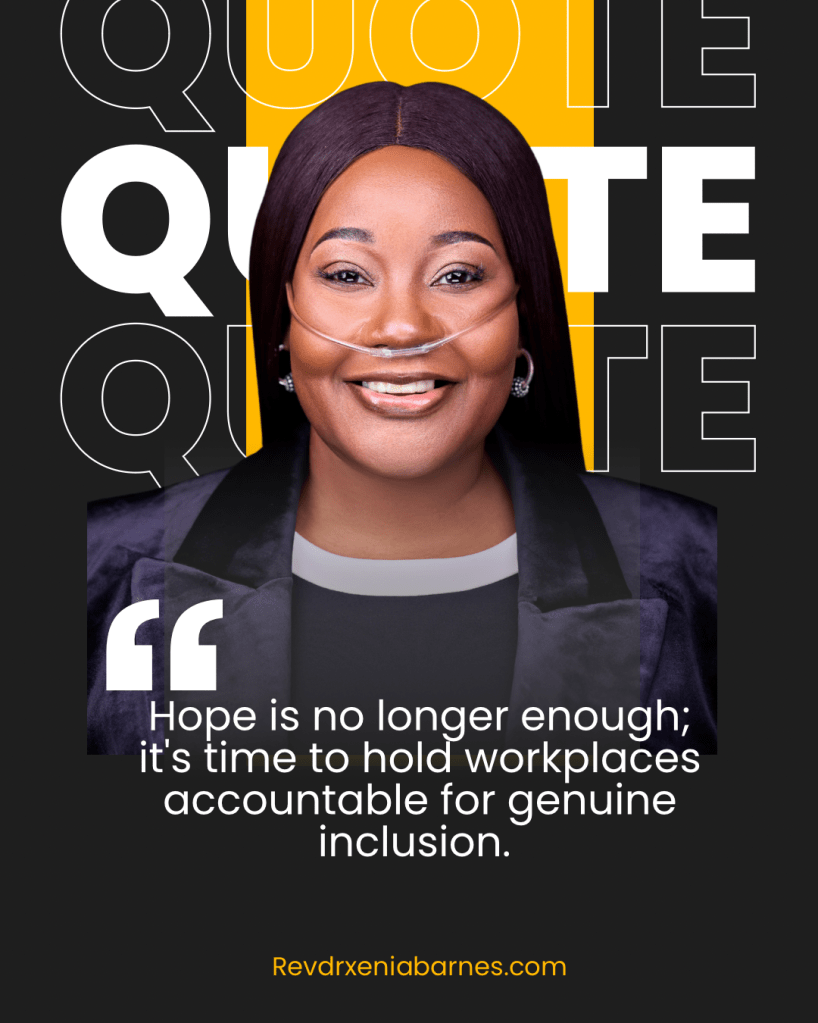
Protecting and Advancing DEI Initiatives
In light of these challenges, it is critical for organizations to reaffirm their commitment to DEI. Here are several steps that can be taken to protect and advance these initiatives:
- Leadership Commitment: Leaders must vocally support DEI initiatives and demonstrate accountability in their implementation.
- Data-Driven Decisions: Organizations should collect and analyze data on workforce demographics and the effectiveness of DEI programs to ensure informed decisions.
- Regular Training: Continuous education and training on diversity, equity, and inclusion should be mandated for all employees, emphasizing empathy, understanding, and respect for differences.
- Collaboration with Advocacy Groups: Engaging with external organizations that specialize in DEI can provide valuable insights and resources to enhance programs.
- Creating Inclusive Cultures: Companies should prioritize creating inclusive environments where every employee feels valued and empowered to contribute.
Conclusion
The importance of Diversity, Equity, and Inclusion in the workforce cannot be overstated. As DEI initiatives face challenges and potential rollbacks, it is crucial to recognize the profound impact these programs have on individuals with disabilities, women, people of color, and the overall effectiveness of organizations. By taking concrete steps to protect and bolster DEI efforts, we not only promote equity but also contribute to a more innovative, productive, and harmonious workplace. The future of our workforce relies on our commitment to these fundamental values.
References
- McKinsey & Company. (2020). Why Diversity Matters.
- U.S. Bureau of Labor Statistics. (2021). Labor Force Characteristics of People with Disabilities.
- American Psychological Association. (2021). Diversity and Inclusion in the Workplace.
- Journal of Vocational Rehabilitation. (2020). Impact of Accommodations on Job Retention.
- Deloitte. (2020). Diversity and Inclusion in the Workplace: A Global Perspective.
- Harvard Business Review. (2018). How Diversity Affects Team Outcomes.
By ensuring that DEI remains a priority, we can cultivate workplaces that not only value diversity but also harness its potential for collective success.

 The Recondition with Rev. Dr. Barnes